Diamond Dez: AvatarUX Ditches Paylines for Pay‑Anywhere Sparkle and Vault Multipliers
Diamond Dez: AvatarUX Ditches Paylines for Pay‑Anywhere Sparkle and Vault Multipliers
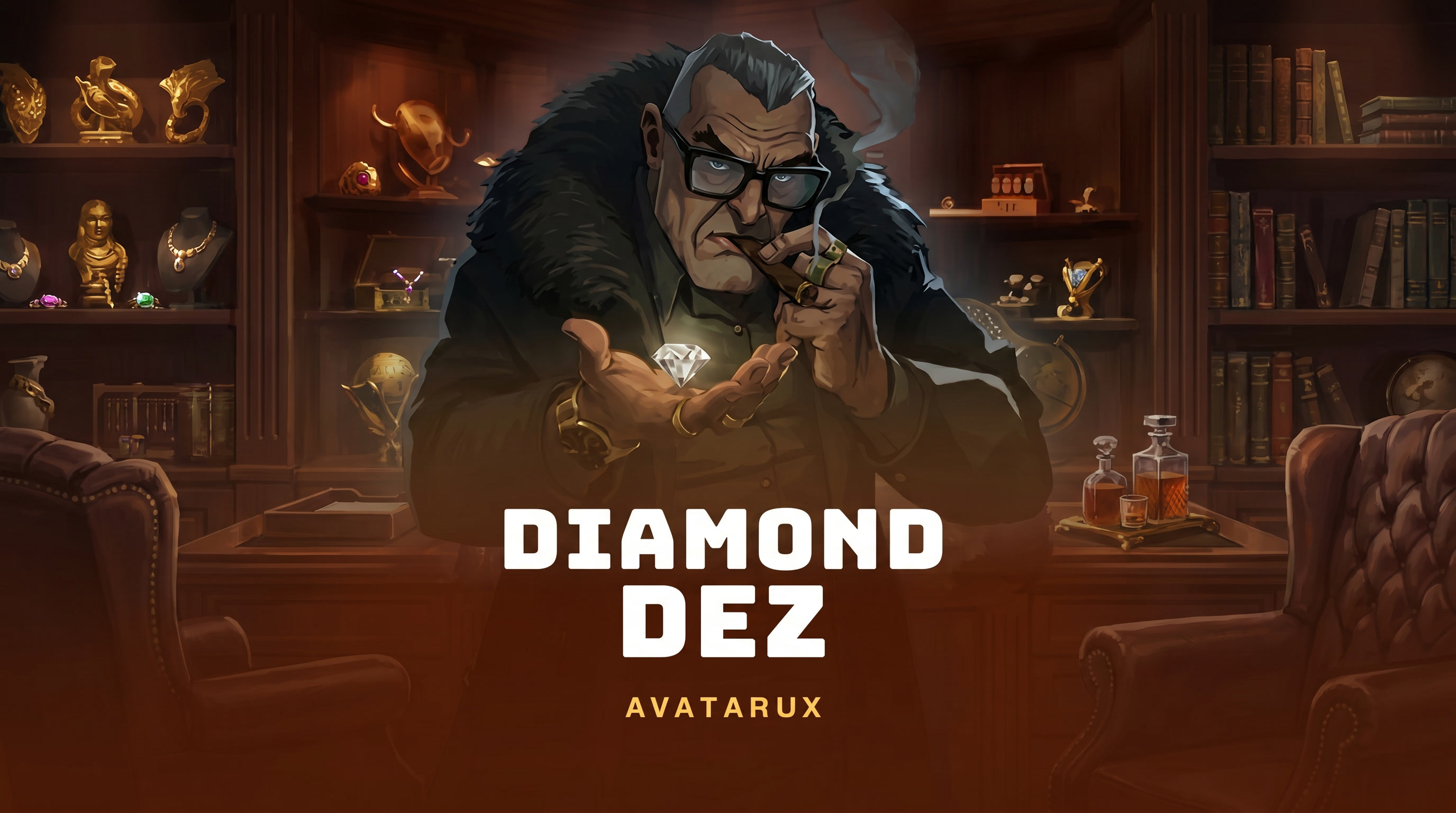
AvatarUX built its name on PopWins™ towers, but Diamond Dez is the studio flexing a different muscle: a 6×5 board where eight or more matching gems anywhere pay, cascades clear the winners, and Dez occasionally shoves stacked multiplier wilds through the grid like he owns the lease. If you already vibe with MonkeyPop 2 or CritterPop, you know how AvatarUX likes to paint big boards — this time the palette is luxury jeweller noir instead of jungle critters.
The stats on the game read 96.1% RTP, a 3.94% house edge, and volatility of 3/5 — still swingy once cascades chain, but not automatically filed next to every 5/5 grid slot on the floor. Marketing talks about a 10,000x class ceiling; treat that as help-file gospel, not a shift wage. Lower RTP builds exist in some markets — check the info panel before you grind.
Pay anywhere, cascades, and the random expanding wilds
Each spin starts with a full 6×5 symbol set. Hit 8+ identical gems anywhere and you get paid, then the winning symbols vanish, new ones fall, and the cascade continues until nothing new qualifies. That loop is the entire base-game identity — you are hunting dense clusters of premiums, not left-to-right line stories.
At random, Expanding Wilds can slam onto the board as two- or three-row stacks, each carrying a multiplier between 2x and 10x in published specs. They substitute for regular pays and multiply the wins they join — the paytable explains how multiple wilds interact; do not assume “highest only” unless the client says so.
Free spins — vaults, progression, and Time to Shine
Four or more bonus scatters trigger free spins — commonly 10 / 12 / 15 spins for 4 / 5 / 6 scatters in retail builds. Inside the bonus, Multiplier Vault symbols can appear with 2x–100x values that apply to the total win after the final cascade of a spin — the moment where a quiet chain suddenly prints.
A progression bar advances one step per win (including cascade steps). Stack ten wins and you unlock Time to Shine! — usually +3 spins plus juiced odds for vaults and expanding wilds, with some builds making vault multipliers sticky until they participate in a payout. Retriggers via extra scatters are on the menu depending on jurisdiction.
Xpress buys (where legal) jump straight to 10 / 12 / 15 spin packages at published prices — 60x / 120x / 400x style tickets in third-party reviews — each with its own RTP line. Compare those stamps to the 96.1% / 3.94% headline on the default game before you autopilot the wallet.
Who should take Dez’s deal
Diamond Dez suits players who want scatter-pay cadence, cascade depth, and a bonus where vault totals plus wild stacks can define the night. Against Sweet Bonanza, Dez is less candy, more jeweller heist — same “mass symbols + tumble” literacy, different skin.
It is a weak match for anyone who needs fixed paylines or gets motion sickness from six reels of falling gems. Respect volatility of 3/5 as “still cascade‑capable,” budget buys like entertainment tickets, and when the progression bar ticks ten and Time to Shine fires, enjoy the sparkle — Diamond Dez is AvatarUX showing it can flex outside PopWins without losing the swagger.
Between bonuses, notice how often vault symbols tease without landing — that cadence is your emotional weather report. If you run hot on random expanding wilds in the base game, do not automatically assume the bonus will repeat the same kindness; free spins weight the progression bar and vault cadence differently, and the help file spells those deltas better than any blog. Diamond Dez rewards readers, not guessers — keep the paytable open on a second screen until the symbols feel automatic.
Stack it against CritterPop if you want the same AvatarUX polish with a different theme pitch — both care about big-board reads and feature cadence, even when the math families differ. When cascades finally align vaults with stacked wild multipliers, you will feel why the studio keeps betting on jewel-box volatility instead of playing it safe.
Symbol hierarchy is worth memorising: premium gems pay the headline clusters, mid gems bridge the gap between “cute cascade” and “actual money,” and royals exist mostly to keep cascades alive long enough for wilds or vaults to arrive. That structure matters when you are one symbol shy of eight — you will start seeing colour patterns like a gem dealer whether you want to or not. Diamond Dez trains that eye on purpose — the board is the character as much as Dez is. Treat every cascade as a conversation: sometimes it ends politely after one reply, sometimes it argues for half a minute before vaults finally speak up.
İlgili Yazılar

Wild Easter Eggs: Expanse Studios’ Seasonal Reel That Plays Like a Spring Break From Variance Theatre
A seasonal Easter skin keeps variance modest enough to feel like a spring break from ultra-volatile headline slots. We cover symbol pays, feature lightness, and …
Vendetta Fury: Degen’s Alley War Where Two Wild Species Draw Zones, Beams, and a Shared Grudge Multiplier
Two wild factions paint zones and beams across the grid while a shared grudge multiplier escalates the alley war. This explains zone drawing, beam interactions, …
The Luxe: Hacksaw’s Black‑and‑Gold Room Where Frames, Jackpots, and Clover Sweeps Run the Night
Black-and-gold art frames a room where jackpots, clover sweeps, and framed zones steer the night’s volatility. We dissect frame features, jackpot layers, and Hacksaw’s luxury …
The Lost Book of Mummy’s Curse: A “Book of” Tomb Trip With Trusty’s Cartoon Charm
Trusty’s cartoon mummy wraps classic expanding-symbol “book” grammar in a tomb caper with lighter art than grim competitors. Expect book mechanics, expanding symbol flow, and …